

The NIST (National Institute of Standards and Technology) defines smart manufacturing as “ fully integrated collaborative manufacturing systems.. that respond in real time to meet changing demands and conditions in factory in supply network and in customer needs”.
Smart manufacturing is grounded in cloud connectivity. Its blend of creativity and innovation with digitally connected machines and assets as well as AI powered systems and analytics.
The combination of AI and other smart devices helps to increase adaptability and speed up ability to customize outputs on basis of real time data and information.
The agility visibility and durability of manufacturing smart makes it foundation of more effective supply chain management models as well as overall operational efficiency.
History from Industry 1.0 up to Industry 4.0 production
industry 4.0 refers to Fourth Industrial Revolution. term “Revolution” is used because every Industrial Revolution has been powered by game changing technology or ingenuity which “revolutionised” entire industrial world.
It was First Industrial Revolution used steam and electricity; second one electric Third Revolution was powered by basics of automation and computer power and fourth relies on cyber physical technological systems and advanced technologies.
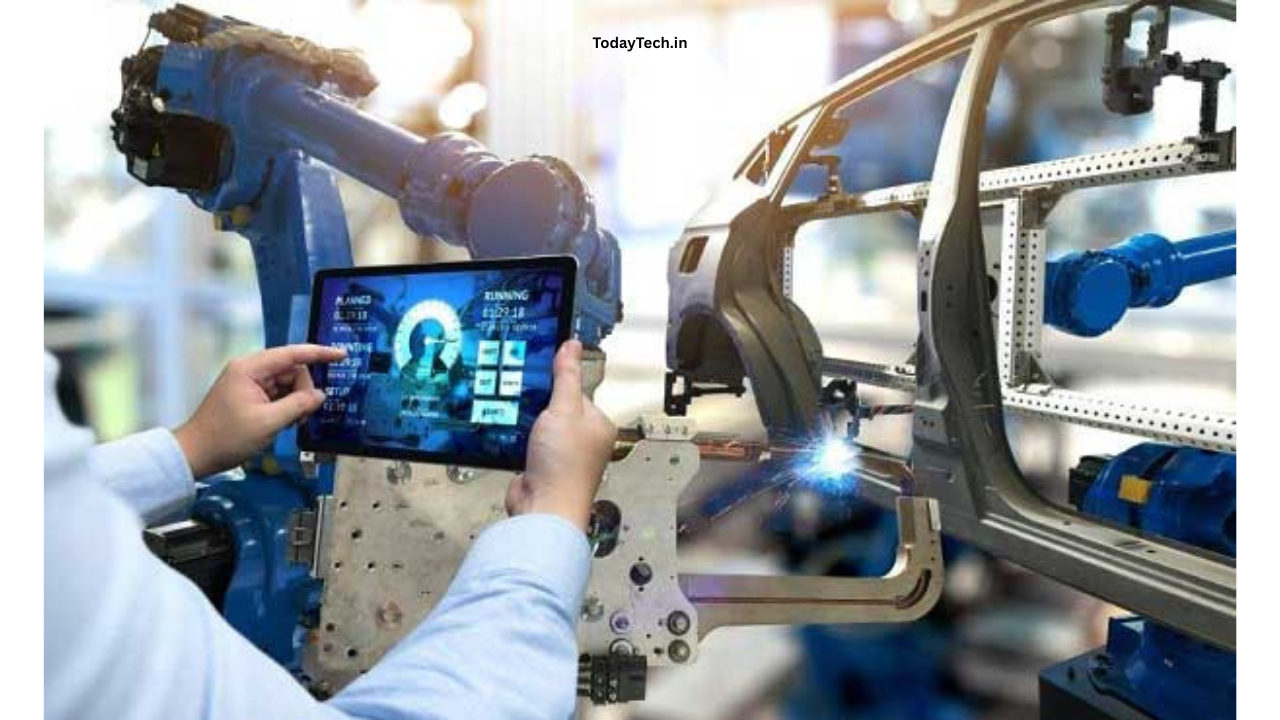
The modern manufacturing process isnt focused on ripping down conventional factories and replacing them with new one. focus is on improving existing factories one step at time and upgrading them using top quality tools and strategies in order to meet their production goals with greater efficiency and effectiveness.
Advantages of manufacturing smart
In midst of unprecedented competition companies must consider more than profit as an indicator of their success of their business.
The long term stability of business and loyalty of its customers result from benefits evident throughout your company from customers to staff and even your environment.
- Effectiveness and productivity Automation with real time data analytics as well as integrated manufacturing systems team members can operate quicker more effectively and in safer manner. Automated workflows and proactive maintenance could help ensure IoT connected equipment and machines to perform at their peak by reducing outputs.
- Flexibility and responsiveness at every stage during process smart manufacturing and data analytics enable users to quickly respond to changes in market adjusting your manufacturing processes and personalizing your products using agility and speed.
- Sustainability information collected by use of smart manufacturing technology helps companies implement strategies.. that are cost effective and efficient to simplify operations and decrease use of energy. From sustainable design of products to more sustainable logistics intelligent technologies can help you achieve your sustainability efforts.
- Quality control is improved from annoyance from bad reviews to repercussions of recalls of products intelligent manufacturing strategies can connect throughout your supply chain and manufacturing process in order to ensure quality standards are evident and easily verified at every step.
- Savings from end to end Digital integration between one part of supply chain next enables improved forecasting management of inventory as well as logistics solutions. It means less risks as well as less expense and best of all happier customers.
Smart Manufacturing Disadvantages
Naturally when you are using innovation or new technology there will have some hiccups. There are few disadvantages to intelligent manufacturing (which are all manageable through proper planning and high end technologies and partners):
- The initial cost of implementation: Investing in advanced technologies such as automation infrastructure and improvements can be costly and make it challenging for small scale manufacturers.
- The complexity of integration Legacy Systems: Many factories are dependent on old machines and process of integrating advanced manufacturing technology with systems in place could be challenge and cost lot of money.
- Security Risks for Cybersecurity in smart Factories: As factories are connected to internet and connected theyre more vulnerable to cyber attacks which requires strict security measures to safeguard sensitive information and operation.
- The learning curve and Training requirements for new Technologies: Employees must be taught to use intelligent manufacturing in AI IoT and other sophisticated systems. This will take time and requires substantial investment in development of workforce.
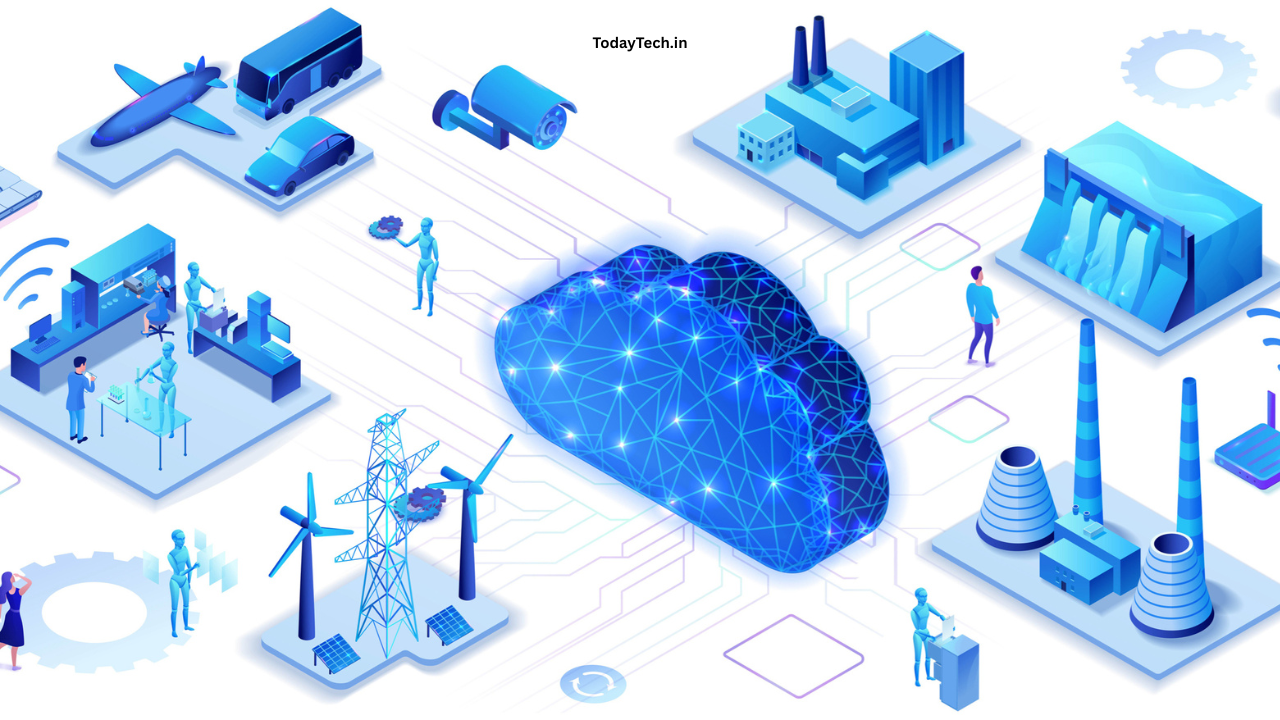
Smart manufacturing technologies
Important considerations like cyber security as well as strategic business integration form an aspect of new digital landscape. In this article well focus on fundamental technologies.. that support smart manufacturing methods.
- IoT/IIoT: If devices and equipment can send and receive data in digital format and data they form IoT network. data sent by device informs device of its condition and activities while data.. that is sent to device regulates actions of its device and automates workflows. Industrial IoT (IIoT) network is at center of intelligent manufacturing because it does not merely comprise connected equipment but also automated systems and smart procedures with which they integrate.
- Machine Learning and AI: largest amount of information available is useless until you utilize it to create narrative. AI can bring manufacturing data to life using sophisticated analysis and capability to handle and combine large as well as diverse sets of data. Companies.. that have all this information can use machines learning to instruct their systems to provide them with information they require to know about current state of affairs and also whats predicted to occur in near future.
- Big Data In event.. that AI or machine learning puts on “smart” in smart manufacturing and manufacturing then Big Data is fuel. Big Data is not so called solely because of its size. Its characterized by its diversity as well as its complexity. When you feed an AI machine with massive sets of diverse and complicated manufacturing information you provide it capacity to come up with more accurate conclusions and also to gain knowledge faster as time passes.
- . that are autonomous as weve already talked about robots are not new concept in world of manufacturing. Its not capacity to automate externally assets.. that makes difference its capability of cloud connected equipment to utilize technology to help them automate themselves. smart factories require autonomic automation to achieve agility and speed they need.
- Additive Manufacturing/Hybrid Manufacturing also referred to by name 3D printing. It improves durability and flexibility of product. As an example an example Boeing 747 aircraft is comprised out of more than 6 million components all of which need regular replacement according to different time frames. Instead of trying to keep every part 3D printers made of plastic or metal are able to access maintenance logs to print pieces as they need and allow business to keep parts in “virtual inventory”.
- Cloud computing Cloud connectivity and computing supply businesses with immediate access to systems resources including IIoT data analytics and process automations through wireless channels such as 5G and Wi Fi. Large clouds can be managed centrally but spread in variety of locations whether regional or global.
- 5G internet connectivity with 5G: companies can reap benefits and advantages of cloud based internet connectivity and increase them with lower latency more speed and nearly unlimited capacity for scaling.
- Edge computing Smart factories of today revolve around pivoting swiftly and responding rapidly in real time. It can take time to transmit information gathered from one area and to systems in different physical space and for intelligent factories any interruption in service is loss. Edge computing allows you to connect intelligence (AI and analytics on data) onto floor and reduce delays within IoT network.
- Simulation or digital twin Digital twin also known as simulation is designed in order to create digital replica of an item or procedure.. that is in real life. This allows manufacturers to experiment with new methods of making things happen and also to test virtual prototypes beyond their boundaries but without expense or risk of causing damage to any real world object.
- Design to manufacture It isnt an actual technology but rather an integrated practice which is result as result of technological. Principles of Design for Manufacturing enable R&D professionals to draw insights from data they collect on floor of factories and from clients. insights they gain from these data sources help designers create win win products.. that satisfy needs of customers for high quality as well as personalisation. In addition they can develop designs.. that are simpler less expensive and quicker to produce and customize.
Automated manufacturing. automated manufacturing
Automated manufacturing is not new concept. It is simply term used to describe robots.. that have been programmed for sole purpose of carrying out certain action. Most of time repetitive tasks are performed in conjunction with human beings and machines within an area such as production lines. Automation is crucial to provide speed and precision required to produce high volumes of goods.
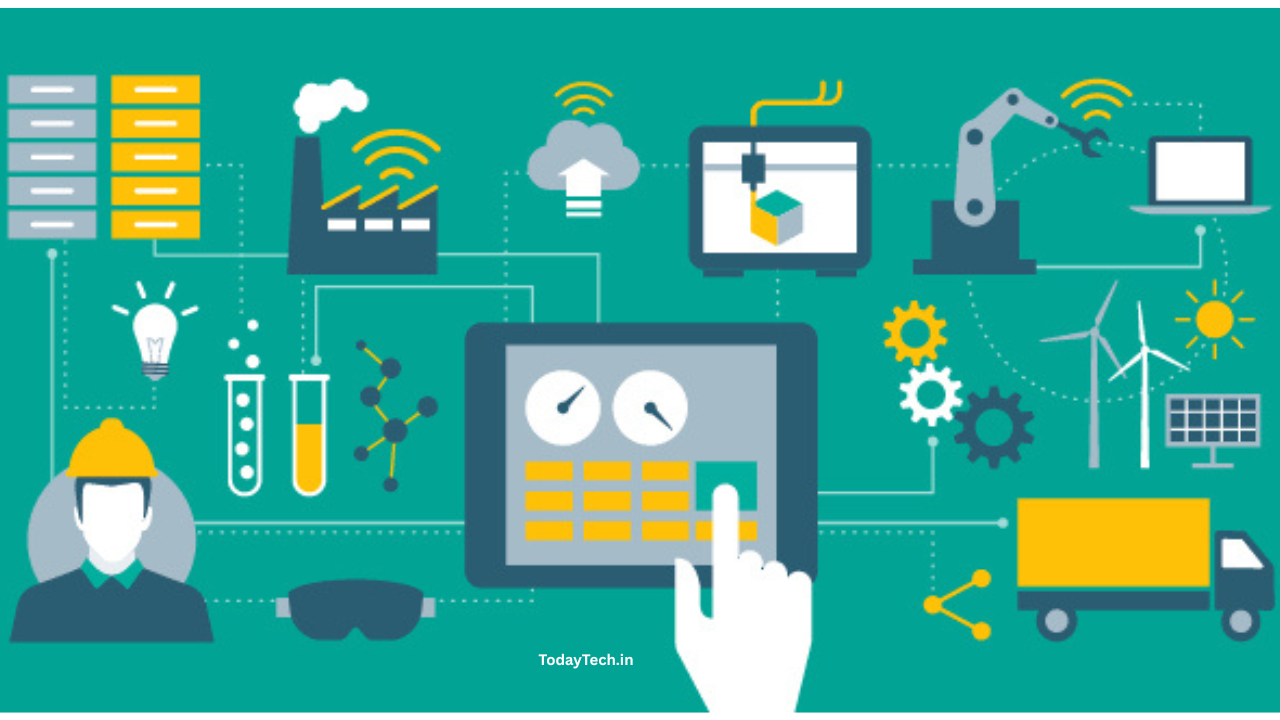
It is basically automation of production… using aid of brain. Utilizing industry 4.0 techniques including AI and machine learning an intelligent manufacturing system as well as IoT equipment within it gather disparate information sets such as consumer feedback demand and supply capacities of machines as well as all other information.. that is relevant. Machine learning and artificial intelligence algorithms could then be used to analyze these information sets in order to create and then automatically implement more effective and efficient workflows and workflows.
A few examples of manufacturing smart at work
Learn how some of top companies around globe use software to optimize and streamline their supply chain processes:
- Leonhart Group Smart solutions based on cloud offer visibility efficiency as well as security. Systems.. that can scale to accommodate growth as well as quick response to business challenges.
- M.P.E.R.E: Automated procedures across supply chain as well as real time update of stock and foreign exchange enable quick price calculation and real time fulfillment of orders.
- Geographe Real time and transparent data means greater response to customers needs better forecasting analytics and optimized supply chains and manufacturing.
- Yanmar Marine : cross enterprise automation and standardisation help facilitate transparency and communication across businesses leading to increased innovation and efficiency.
- Smart Press Shop : More efficient and better supply chain resilience through intelligent sustainable auto component production.
Smart manufacturing implementation: next steps
A few companies have already traveled to great extent on road towards digital revolution and have incorporated vast array of Industries 4.0 technologies into their business. Some are only starting their journey or are unsure which direction to take.
Theres good news.. that top intelligent manufacturing solutions are available wherever you go assisting you begin or maintain your progress using use of standalone software and cloud ERP with integrated functions.
Finally prior to you even begin process be sure to consider biggest manufacturing asset you have your employees. Develop effective methods of communication and management to make sure.. that employees are motivated engaged motivated and knowledgeable about exciting changes coming.