

The metaverse is the term used to describe the convergence of virtual and physical space that computers can access and is enabled by technologies that allow for immersive experiences like virtual reality mixed reality and augmented reality.
The notion of digital parallel world in which humans experience things in manner thats similar to but unattainable on the earth dont come from new era theyve existed long before the advent of the invention of the internet. However the idea of hybrid digital and physical world became more real with technological developments including the universal use of smartphones and the the introduction of high speed internet to games that are popular like Pokemon Go made the metaverse appear less improbable.
Industry wide investment of substantial size in metaverse enabling technologies and the expansion of video games online and breakthroughs in AI and the rapid growth of socializing and remote work caused by COVID 19 led to more technological advancements and the broader adoption of the online world.
In November 2021 Facebook changed its name to Meta and revealed the investment of $10 billion in the creation of virtual experiences which prompted people to proclaim with the metaverse as the next technology interface. Bill Gates jumped on the hype anticipating that the meetings would shift away from screens and into the metaverse in matter of two to three years. It was bit premature however.
What has happened in the metaverse? Is it dead?
Then in the latter half of 2022 around the same time that ChatGPT attracted the attention of the entire world and captivated the world the metaverse bubble burst. The financial losses that followed were significant including Metas $13.7 billion operating loss within their Reality Labs division for 2022 in all. Microsoft cut employees of the Mixed Reality Toolkit and HoloLens teams. The cryptocurrency market plummeted and customers desperate to go back to their earlier COVID days werent seeking out extended reality technology.
The losses of the Metas Reality Labs unit increased to $16.1 billion by 2023 and Disney shut down the metaverse division. The media reported that the metaverse was gone. Reactions to metaverse marketing included rejection by the industry of the word in itself. When it launched in 2024 its Apple Vision Pro headset Apple did for instance was careful to distance it from the metaverse by describing it as an entrance into spatial computing..
A comparison of virtual reality augmented reality and mixed realities in one sentence.
The reason metaverse technology is still vital for companies
The vision that of fast paced completely realized virtual universes in which humans can shop work and interact in the comfort of their sofas has diminished but the metaverse isnt gone. Certain elements of it are getting popularity as the graphics and abilities for augmented and virtual reality which are aided by AI and machine learning are rapidly growing. New technology is being developed including eye tracking that uses sensors to track and record eye movements will make your visual experiences more enjoyable.

Within the realm of the industrial metaverse that is represented through the Nvidia Omniverse platform companies have created digital twins in order for the purpose of designing and monitoring physical objects. Companies are also utilizing VR (VR) to teach employees as well as using the concept of augmented reality (AR) to overlay data onto real world objects assisting their workers work faster.
Customers in e commerce are demanding virtual goods which “tie back to the physical world” according to report from June 2023 McKinsey report that declared that the demand for metaverse commerce on its own that ranges “from home and food to fitness and apparel” to fitness and apparel which could generate “$5 trillion in value creation by 2030.” According to report by the data gathering firm Statista puts the metaverse market to $74.4 billion by 2024. It forecasts that in 2030 based on an annual rise at 38% it could increase to $507.8 billion with more than 2.6 billion customers.
A metaverse reference for enterprises
What is the role of companies in making sense from technological phenomenon thats hot one moment but cold the next and undergoing the process of changing its name? TechTargets comprehensive guide to the metaverse explores the place the rapidly changing technological set is at now and the direction its heading to.
The topics covered are the diverse technology and platforms supporting the metaverse as well as ongoing challenges in real world applications and how the metaverse impacts how we work in the coming years. Users can use the links to additional TechTarget content for more in depth deep dives into these subjects in addition for our detailed definitions of important metaverse concepts and new techniques including digital threads Gaussian scattering.
An overview of the metaverse
The idea of metaverse has been around since the past century and it was first introduced to the vocabulary though within fictional context.
The author Neal Stephenson coined the word metaverse in his novel of the same name in 1992. It was dystopian science fiction story Snow Crash to define virtualized world in which individuals gained fame and status due to part on the technical skills the avatars. Apart from promoting the idea of digital avatars Stephensons portrayal of connected 3D globe is thought to have had an impact on real world web based applications such as Google Earth and NASA World Wind.
Another book that popularized the metaverse was Ernest Clines Ready Player One published in the year 2011 and later transformed into film directed by Steven Spielberg. It portrayed futuristic world in which individuals could escape their real world issues through The Oasis which is which is virtual space accessible through the VR headset as well as haptic gloves that offer tactile experiences. The haptic feedback was also an essential metaverse component.
The foundational technology that supports the real metaverse are from the 1960s. The legacy of the metaverse also includes two hype waves which are now largely forgotten and the second one was during the 2000s during which use of the revolutionary Second Life virtual community plateaued following its initial expansion as well as the second one in 2010 when the very first VR headsets didnt prove to be the key into the metaverse which the inventors anticipated. Both failed attempts led to major technological developments but.
Heres sample of the creators whose groundbreaking research was essential to the notion of metaverse. The graphic below shows detailed chronology of metaverse technologys milestones follows.
The dawn of virtual reality
American filmmaker as well as creator Morton Heilig invented the Sensorama in the year 1962. It was mechanical machine that recreated the sensation of riding on motorcycle in New York City by using 3D movies vibrating chairs fans and smells piped in making it one of the very first fully multi media experiences that was immersive.
American Computer scientist as well as Turing Award winner Ivan Sutherland invented his groundbreaking computer software Sketchpad in 1963 when he was students at MIT and laid the groundwork for computer graphics of the present and computer interaction between humans and computers.
Jaron Lanier also an American computing scientist started his groundbreaking work in virtual reality around the middle of the 1980s and developed one of the first commercial VR headsets as well as data gloves.
World Wide Web
British Computer science researcher Tim Berners Lee invented the webs first open source server editor and browser between the end of the in the 1980s and 1990s. He was responsible for creating the World Wide Web connected network of websites graphic and multimedia providing information that is accessible and easy to navigate.
Multiplayer online role playing game with multiplayer.
Many designers and developers such as Richard Garriott Raph Koster and Mark Jacobs Mark Jacobs and Richard Garriottintroduced games with MMORPGs between the 90s and into the 2000s. demonstrating the economic viability of massive scale virtual games.
Second Life
in 2003 computer programmers and businessman Philip Rosedale and his colleagues at Linden Labs launched Second Life An online platform designed for making immersive permanent interactive virtual worlds that are created by users.
VR revival
The development of virtual reality technology began in 2010 and were spearheaded by such people as the likes of from Oculus VR now part of Metas Reality Labs and designers at Sony Google Unity Epic Games and other independent studios that embraced VR usage.
Blockchain Bitcoin and NFTs
It is believed that the fictional Satoshi Nakamotocreated Bitcoin as the first cryptocurrency that was decentralized that was launched as the worlds first open blockchain based on the proof of work algorithm back in 2009.
In 2015 the Russian Canadian developer Vitalik Buterin and Gavin Wood who is Gavin Wood British Computer scientist from the UK created Ethereum an Ethereum based blockchain based platform for smart contracts. They enabled the development of applications that were decentralized and also digital tokens. These include fungible and not fungible tokens. Ethereum is an Ethereum platform is able to support autonomous systems within the metaverse including governance and virtual economy mechanisms.
Other metaverse noteworthy events
Randomly partial list of modern day metaverse facilitators include the following:
- Mark Zuckerberg of Meta.
- Tim Sweeney of Epic Games.
- Jens Bergensten of Minecraft fame.
- Sam Mathews of Fnatic.
- Tim Cook of Apple.
- Jensen Huang of Nvidia.
- Peggy Johnson of Magic Leap.
- Sam Altman of OpenAI.
The idea of the metaverse is concept that dates back to the past. This is list of important milestones.
What is the way that the metaverse function?
In his most popular guide The Metaverse: and How It Can Change Everything The writer Matthew Ball defined the metaverse by stating:
“A massively scaled and interoperable network of real time rendered 3D virtual worlds that can be experienced synchronously and persistently by an effectively unlimited number of users with an individual sense of presence and with continuity of data such as identity history entitlements objects communications and payments.”
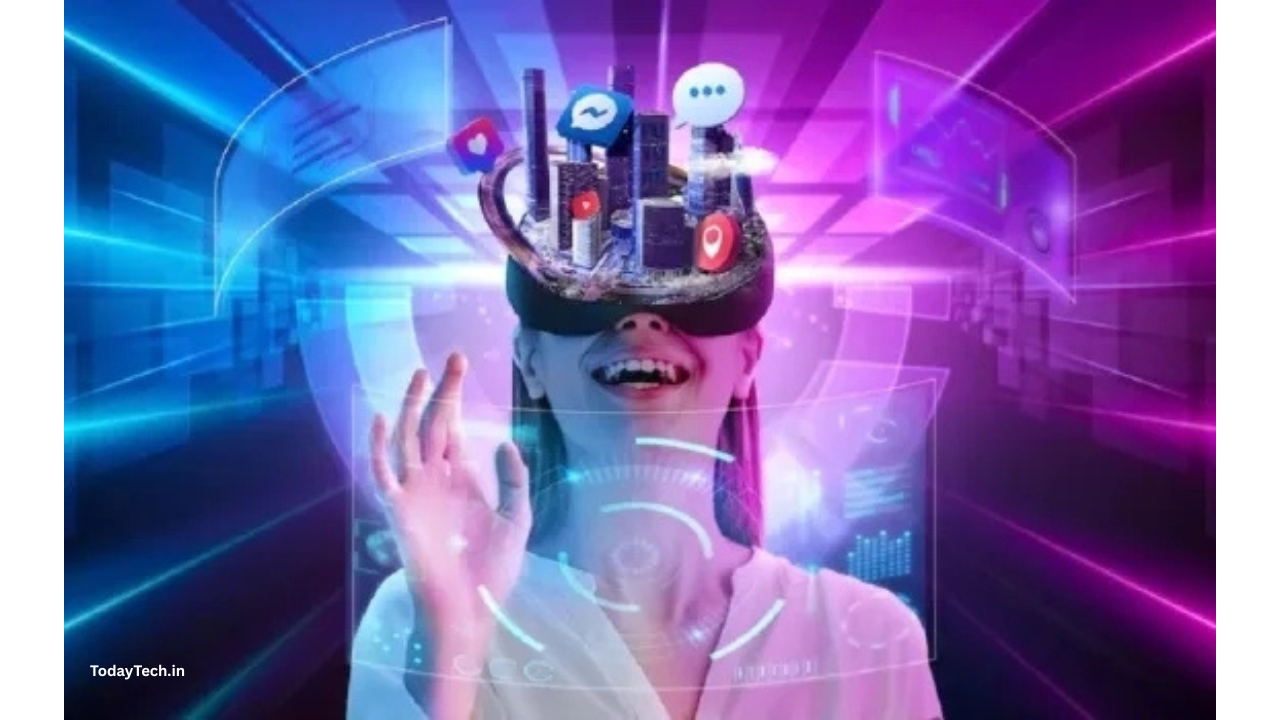
The version that we have of the metaverse is not fully developed and there exist various versions of what the metaverse may look like and the technologies that will be used to drive it. It will be open to the public and feature high degree of interoperability between platforms? It could also be multiverse with multiple worlds independent of each other with little if even any information?
In her talk at the 2022 MIT Platform Strategy Summit Lauren Lubetsky senior manager at Bain & Company outlined three scenarios that could be possible in the metaverse that are valid today:
- The metaverse is still place of localized applications that are used by people for entertainment and gaming but falling from complete virtual real world.
- The metaverse is governed by massive rival ecosystems such as for instance Apple and Android meta worlds which have the limitations of interoperability.
- The metaverse is an evolving interactive open and interoperable universe similar to the web however in 3D.
Since the metaverse isnt reality as an entity in its own right and cannot be defined precisely how its going to function. In general terms it is said that the metaverse will be digital environment made up of various types of 3D virtual technology real time collaboration tools and decentralized financial tools based on blockchain.
The level of interoperability between virtual universes data transferability management user interfaces and governance will depend on the metaverse will eventually become.
What time is fully fledged metaverse approaching?
Nowadays businesses make use of the phrase metaverse to describe many varieties of improved online environments. This includes video games on the internet like Fortnite as well as virtual offices such as Microsoft Mesh or Metas Horizon Workrooms to dressing rooms that are virtual as well as Virtual Operating Rooms. In lieu of one online space that is shared this current form of the metaverse has been forming in variety of metaverses with limited interoperability. businesses compete for positions.
The uncritical excitement for the metaverse as well as uncertainty regarding the way its going to play out have some experts in the industry wondering whether the metaverse is going to be significantly distinct from the digital world that we enjoy today or if so it is if the general public will want to invest every day with headsets navigating the digital world.
However others like the engineer and entrepreneur Louis Rosenberg who helped create one of the early mixed reality technologies at Stanford and also the U.S. Air Force in the mid 1990s claim that an “immersive future” is inevitable.
“We will just think about one life. One reality and it will be combined world of the real and the virtual” explained Rosenberg the CEO and chief scientist of Unanimous AI. “That is the metaverse.”
What are the ways in which the metaverse accessible?
Virtual reality and Augmented Reality are two technology areas that are considered to be significant to the evolution and expansion of the metaverse. Heres why:
- VR is virtual 3D environment that allows users to engage with their virtual world in manner which is similar to reality as it appears through the senses. Virtual reality can generally accessible via the use of VR headset which covers the field of view that person has. Haptics such as vests gloves or even full body tracking suits provide more authentic interactions with the virtual world.
- AR is not as immersive as VR. AR is not as immersive as. The technology adds digital overlays to the real reality using digital rendering tools. The players can be in contact with the real world. Game Pokemon Go is an early instance of AR. Google Glass and head up displays that are found on windshields of cars are widely known users of AR items.
The question of whether VR as well as AR experiences are able to be the main devices of the metaverse is yet to be determined. Presently lot of the experiences that are similar to those offered typically via gaming platforms like Roblox Decentraland and Minecraft are accessible via mobile or desktop devices as well as with high speed internet connection.
Whats the distinction between the Internet in comparison to the metaverse?
The web is global network that includes billions of computers millions of servers and various electronic gadgets. After being online internet users can connect with each with each other browse and interact with websites and trade and buy goods as well as services.
The metaverse does not compete with the internet it enhances the internet. The internet is commonly used mostly to browse but the metaverse provides deeper environment where users can “live” to degree within virtual worlds. The rapid growth of the internet has led to the creation of numerous apps that are shaping the metaverse.
“In gaming you see Roblox Minecraft and other immersive video games and even Zoom foreshadow what the metaverse is designed to offer” explained Ben Bajarin CEO and chief analyst of Creative Strategies.
Closer look at: How VR and metaverse connect to one another
VR is frequently connected to the metaverse However these words arent necessarily synonymous. Specific VR technologies such as those mentioned offer the possibility of interfacing with the larger multiverse.
In this access function the VR platform can assist with various metaverse scenarios. In particular VR can combine with the related area that is digital twin technologies that allows organizations to develop virtual representations of machines physical objects or other processes. Technologists can make use of this VR extension of digital twins to mimic various situations as per Johna Till Johnson CEO and co founder of Nemertes Research.
VR is part of the industrial metaverse
Virtual reality and digital twinning offer some of the fundamental elements for the emergence of an industrial metaverse. The industrial metaverse is expected to connect digital twins to larger virtual space that will include production facilities machinery along with supply chains.
Industrial design is another exciting use for VR. Companies can use VR in order to evaluate the impact of various design choices. It is also possible to create simulated prototypes which can save the expense to create physical models.
Organisations are also deploying VR to train employees on safety especially in situations where mistakes made by employees can lead to injury. Workers on assembly lines can learn in virtual environments prior to going to the work area and emergency personnel can make use of VR disaster simulations to train in secure space. In fact reducing risk is among the primary advantages of these VR software says Ria ODonnell the author of Transformative Digital Technology for Effective Workplace learning.
VR sets the stage for healthcare metaverse
For healthcare professionals VR could reform surgical training allowing surgeons to perform an exact procedure on demand for as many times as they like which could result in shorter learning times. Researchers in the field of medicine are also studying ways to use virtual reality for healthcare areas like the management of pain and pediatrics. The applications could be the beginning of the potential for health metaverse where VR may be able to work alongside different technologies such as digital twins blockchain and.
VR helps corporate training
Other companies VR uses are training for complex scenarios like astronaut training institution knowledge transfer for recording knowledge of workers prior to retirement and empathy training to help employees of customer service and training for soft skills.
In the second case it is true that VR could aid in soft skills development by variety of means. VR for example results in higher classes completion rates as per PwC study. In the research conducted by the consulting firm participants benefited from VR based soft skills learning up to four times quicker than class sessions. In the same study that participants could be at least 27% more secure with their soft skills that they learned by undergoing VR based training.
The higher level of confidence comes not just from VRs immersive learning methods as well as the capability of students to practice their skills repeatedly in relaxing environment. Training will in fact be popular metaverse delivery option due to the possibility of virtualizing scenarios that are that are too costly or difficult to replicate in the real reality.
They play distinctive and crucial role in the creation in the metaverse.
Other metaverse techniques
Many other technologies combination with VR as well as AR can play an important role in the development of the metaverse. The definitive list of technologies is yet to come together. The industry watchers are hesitant about making definitive list of the technology which will drive the metaverse. It is partly because the metaverse is constantly evolving and also because the instruments operating the metaverse comprise of different technology.
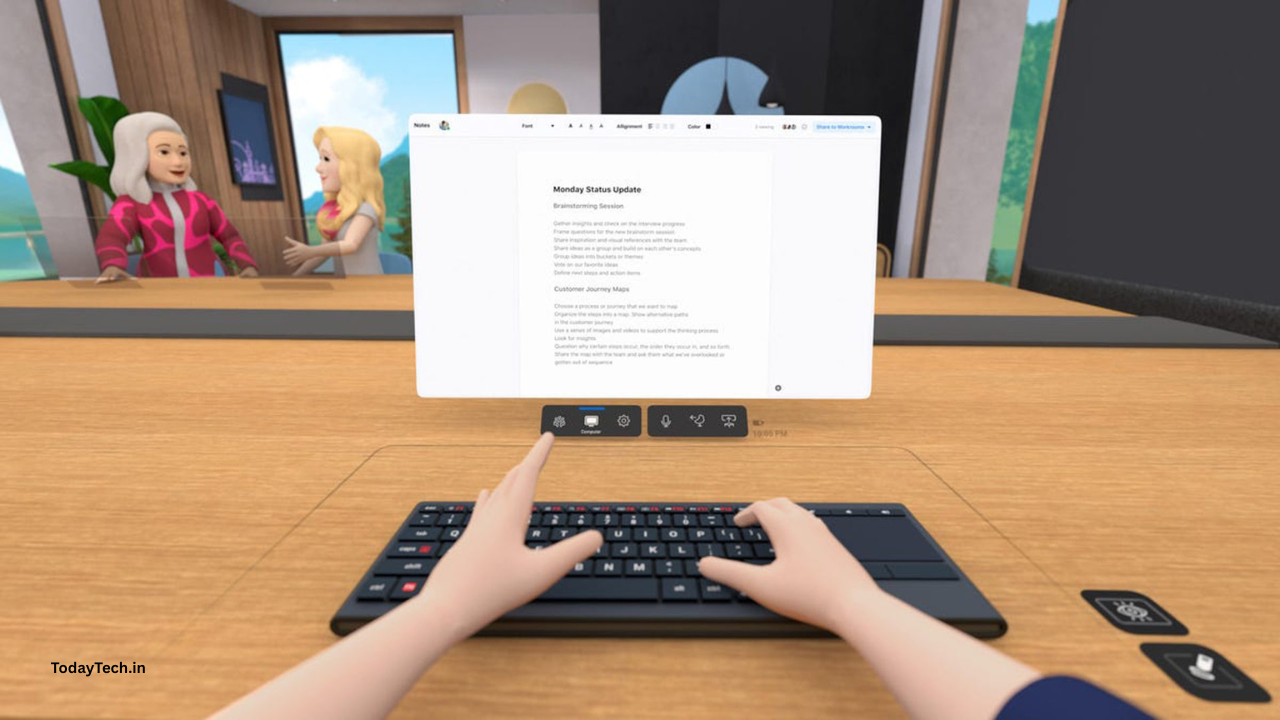
Gartner is good example. Gartner has provided metaverse technology in terms of “tech themes” which comprise spatial computing digital human beings shared experiences gaming and tokenized assets. Forrester Research characterizes metaverse tools as “enablers of 3D development environments.” The fact is that professionals adept in 3D modeling as well as IoT to create digital twins make up the pool of talent firms will be looking to fill the vacancies.
In any case that these technology trends are predicted to have the greatest influence on metaverse growth over the coming decade:
- Artificial intelligence.
- Extended reality includes VR AR mixed reality and VR.
- Brain computer interfaces.
- Reconstruction and 3D modelling.
- Edge computing and spatial computing.
What is the best way to make the metaverse integrate in Web 3.0?
The words metaverse or Web 3.0 are often used as interchangeable terms yet they refer to distinct ideas. Web 3.0 is also known as Web3 is an Internet like vision which is defined by these characteristics:
- Blockchain integration.
- Digital ownership.
- Cross platform compatibility.
Web 3.0 aims to decentralize the web by moving away from central websites and servers managed by handful of corporations giving the users more control on their digital assets and interactions. Blockchain is an essential technology that provides the necessary infrastructure for decentralized apps and digital currency. Interoperability allows different systems to exchange information and make use of it and cross platform compatibility guarantees the application can operate on various devices and platforms.
In terms of completely immersive connected digital world in which users are able to communicate with one another and digital objects at the same time and in real time the metaverse will likely to hold an important position in Web 3.0. It is based on the same principles like increased control of the user and is likely to employ some of the most cutting edge technologies like blockchain technology and AI.
Metaverse companies
In the same way that metaverse opportunities have fluctuated and faded with fluctuating economy as well as the rise of the generative AI as well as the corporate strategies. Heres selection of businesses arranged alphabetically with focus on services for enterprise which are typically viewed by analyst companies like Gartner and Forrester and other experts as having played significant roles in shaping the metaverse regardless of the its name or the form it is given.
Apple
Apples view of the metaverse has been centered on its Apple Vision Pro headset. Virtual reality glasses called spatial computer in the way Apple calls it Vision Pro became available in February 2024. costing $3500 for pair and made to bring the digital and physical worlds closer through allowing users to fully experience both VR as well as AR based experiences. Initial reviews used terms like amazing magical and sloppy to describe the capabilities of Vision Pro.
AWS
The largest service provider in the world of cloud based services and technology is key player in the growth of the metaverse through its computing storage and networking services as well as database AI and blockchain related services. According to Moor Insights & Strategy principal analyst Anshe Sag AWS supports many extended virtual reality businesses such as Meta Magic Leap and Nvidia. Applications of the spatial computing department comprise immersive computing AR/VR to facilitate cooperation commerce education and industrial metaverse as well as digital asset management and simulations in real world settings.
Epic Games
Epic Games makers of the Unreal Engine software for game developers as well as the online game Fortnite and Fortnite has joined forces together with The Walt Disney Company on their vision for the metaverse. On February 20 2024 Disney purchased $1.5 billion stake in the developer of video games for the purpose of creating an “persistent universe” for games as well as entertainment. The investment was made by Disney less than one year after closing its own metaverse division. Disney has announced that it will introduce Pandora The World of Avatar The World of Avatar the 3D Disney experience that is that is based on the film Avatarat the Orlando property and will be brought to Disneyland located in California.
Googles experience in technology like AR/VR and spatial computing cloud computing AI and machine learning as well as its ability to create content enables it to play an important contribution to the metaverse. Their track record with respect to metaverse related products it is not impressive. In 2023 Google announced that it was not going to offer Google Glass Enterprise Edition AR smart glasses introduced in 2013 but did not be popular. variety of metaverse projects are currently in the development including Project Starline 3D virtual video chat system that is immersive.
Meta
“From now on we will be metaverse first not Facebook first” CEO Mark Zuckerberg wrote in the November 2021 announcement regarding the companys new branding and in single act made metaverse an everyday word and establishing the perception that well soon be able to live their lives with resonant continuous 3D virtual world: Meta could “bring the metaverse to life.”
This quest has proven to be difficult for Meta as its Reality Labs division chalked up more than $30 billion of losses between 2022 2023. Its metaverse platforms including the online game Horizon Worlds as well as Horizon Workrooms an immersive virtual office environment that received mixed praise. Although Zuckerberg isnt abandoning Metas search for virtual real world experience some observers in the industry are noticing that he speaks regarding the metaverse as mix of both digital and physical realms and during recent earnings conference has highlighted Metas efforts to develop AI chatbots as well as assistants.
Microsoft
Microsofts participation in the creation of the metaverse is mix of different departments and offerings. It includes Microsofts mixed reality HoloLens headset Microsoft Mesh an immersive workspace platform and Xbox Cloud Gaming apps which were recently released for Virtual Reality headsets from Meta. Microsofts Azure cloud services and blockchain along with their AI as well as ML capabilities are utilized for enhancing metaverse experience. But the focus on AI in the companys Oct. 2023 Ignite conference as well as the numerous reductions in Microsofts industrial metaverse activities led to speculation that the company could have rethinking of the immersive technology.
Nvidia
Nvidia Omniverse launched in 2022 specifically for creating applications within the metaverse It has been hailed as key factor in shaping the future of 3D as well as in the metaverse itself. In the integration of 3D design with spatial computing and physical workflows the platform permits the creation of digital twins of factories warehouses product and other infrastructure. Additionally it streamlines the production of media that is 3D related to showcase products and entertainment as well as corporate media that can then be created on computer or smartphones as well as extended real time devices.
Gartner gives 4 strategies for metaverse plans presuppositions
In 2024 at least 70% of major cities will utilize digital twins to determine the ecological sustainability of infrastructure projects.
In 2027 majority of B2C enterprises CMOs will be able to allocate budget for digital humans and metaverse experiences.
by 2028 30 percent of B2B pureplay virtual reality providers which do not have presence on the cloud marketplace will either leave the market or get acquired.
In 2030 20% of metaverse users from advanced markets will have had at minimum basic metasuit in their interactions with any of the metaverses whether for social or work reasons.
Source: “Emerging Tech: Product and Business Innovators in the Metaverse” Tuong Nguyen et. al in June 2023.
What is the impact of the metaverse impact the future? either dystopian or utopian?
The skeptical of the metaverse believe it is an extension of digital world we live in today is not revolutionary but it could be worse than that: an amplifying of the current social medias problems such as the disinformation campaign addiction and tendency toward violence.
However the majority of executives remain hopeful regarding the future of the metaverse despite the slowing of hype in Protiviti Oxford University study conducted between Jan. to March 2023. The majority of executives surveyed believe that Web3 as well as the metaverse have significant impact on the business and economy growth over the next ten years. Marketing and advertising are the two primary gateways to metaverse utilization Seventy nine percent of participants said they would utilize it to help customers engage with their company.
North American executives were markedly more positive regarding the metaverse in comparison to the European as well as Asia Pacific counterparts and staggering 85percent stating the importance of it in the future of their business against 57% within Asia Pacific as well as 46% of Europe. Furthermore more than two thirds (65 percent) of North American executives polled said they had already implemented already implemented metaverse strategy compared to 32% of executives in Europe as well as 27% across Asia Pacific.
What should companies do to prepare their businesses for metaverse?
Making effective metaverse workplaces will need much more than simply grafting existing offices and processes to virtual space. Early research indicates that just translating offices to an 3D virtual counterpart can decrease efficiency and may even lead to motion sickness and nausea. VR motion sickness may occur because the brain of the user experiences conflicting messages about how to move within virtual environment. Firms that are looking to use VR to their product and marketing strategies must be able to hire and train those that “can think in 3D” stated Andrew Cornwall senior analyst with Forrester.
Companies should be prepared to address concerns regarding user experience like the “screen door” effect and hinders utilization of VR headsets due to an appearance of mesh that is similar to being in doorway. headset that is greater resolution and higher dpi will help reduce the effect.
As with the web in the 90s the metaverse is potential opportunity of “shrink the world” according to Andrew Hawken co founder of Mesmerise which is VR technology provider. If done right metaverse technologies in the workplace can boost teleworker camaraderie enhance collaboration improve training efficiency cut down on the requirement for office space and help make workplaces more enjoyable place to work all around. But it is also true that the metaverse can also result in the elimination of positions which will require employers to train their employees as per Frank Diana managing partner and chief futurist of Tata Consultancy Services.
Metaverse challenges
Whatever model the metaverse adopts cybersecurity issues and privacy concerns are significant problems. lack of privacy laws in the metaverse poses number of risks to companies and their users. These include these:
- The misuse of the current privacy regulations including GDPR.
- Data collection is extensive and intrusive.
- Concerns regarding data rights and ownership.
- The abuse of minors.
- User to user privacy.
One of the major ethical questions arising from the usage of VR and similar extended technology for augmented reality is the disclosure of mental models. There is concern that XR software could tap into the mind of an individual by keeping track of the eye movements as well as other non voluntary actions and reveal the inner thinking which can affect decisions. This knowledge allows the software to create highly accurate forecasts regarding human decision making processes which raises questions about the possibility of abuse by corporations. Ethics experts warn that mental models can also be utilized as public data for training.
Companies will have to take the initiative to develop data privacy and security policy that is specific to their business as well as work with principal metaverse platforms and standard institutions to develop privacy and security safeguards. Additionally customers should take the time to learn about the data security and privacy guidelines of the companies they patronize and of the metaverse platforms where these businesses are.
What do the metaverse be for typical consumer? TechTarget interviewed consultants analysts as well as business executives and researchers regarding metaverse advantages and disadvantages. The positive aspect is that the full bodied metaverse lets humans go further than theyve ever been capable of before even in out of space. Social networks can grow in value. But it is true that the negative behavior seen in social networks has the possibility of being magnified when it is virtual space as well and metaverse use could become an addiction for certain people.
Information Article