

The non fungible token (NFTs) could be thought of as valuable assets like works of art as well as videos and digital content that are cryptographically tokenized by blockchain. Tokens are distinct codes of identity generated by metadata through the encryption feature. Later they are put on the Blockchain and the assets are kept elsewhere. The relationship to the token and token makes them distinct.
They are able to be traded or transformed into currency cryptocurrencies and many other forms that comprise NFT.. Everything depends on the amount of value market and the owners have placed on them. In this instance for example you can create smiling face of fruit take an picture of it (which includes metadata) before putting it into an electronic token blockchain. The person who has the keys to that private token will be the holder of all rights granted to the token.
Also they are tokens. But the most significant difference is that two different currencies that are on the same blockchain may work together.. It is mystery why they are fungible. Two NFTs that are on the same blockchain could look similar but theyre not interoperable.
Key Points
* NFT (Non Fungible Tokens) are digital tokens which have distinct identity and are kept on blockchains and arent replicable.
* NFTs may represent objects which are either real or digital including real estate art work.
* “Tokenizing” these real world tangible assets makes buying and selling operations easier and less costly while reducing the possibility of fraudulent transactions.
NFTs could represent individuals name property rights and many more.
The collectors and investors first were interested in NFTs after the market became conscious of them. However the appeal of NFTs is waning.
History
NFTs exist for long before they became well known in the world of popular culture. As per reports the very first NFT that was ever sold on market place is “Quantum” designed and created by Kevin McKoy in the year 2014 using single blockchain (Namecoin) followed by creation by Ethereum which was then sold by 2021.
The NFTs have been developed in compliance to the requirements of the ERC 721 (Ethereum Request for Comments #721) standard which outlines how ownership transfer takes place and also the procedures that are used to confirm transactions and how the software manages secure transfers (among other guidelines). ERC 1155 is the ERC 1155 standard which was adopted just 6 months after ERC 721s enhancement to ERC 721 by mixing variety of non Fungible Tokens within single contract thus cutting down on the costs of transactions.
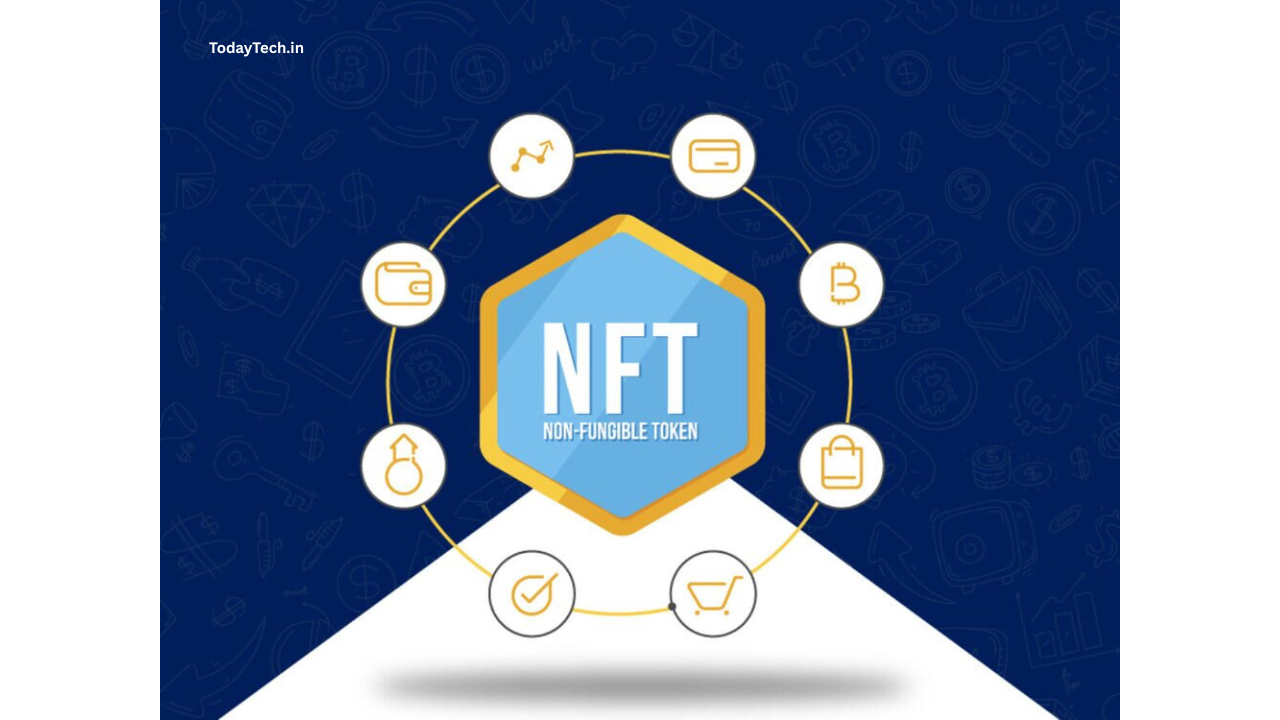
In the beginning of March 2021 an array of NFTs by the digital artist Beeple was auctioned off for over $69 million. This set the bar and established the record for most expensive piece of digital art which was offered for sale in that year. It was collage that was created out of the very first five days of work.
How NFTs Work !
The NFTs are produced through process called minting. The assets are encrypted prior to being saved to the blockchain. The most fundamental way to think of it is that this involves creating new block NFT information that has been checked by validator before the block is shut down. Also it is commonplace to utilize smart contracts to decide the owner of the block and to manage NFT transfer.
Once tokens are made theyre identified with number which is distinct and connected to blockchain account. Each token is held by one person and the details of the ownership ( the address where the token which was created is situated) will be released. In the event of production run that produces five thousand NFTs of the same item are created (similar to tickets used that are used for general admission to film screenings) Each token has an identifier number unique to it and can distinguish itself from the other tokens.
Different blockchains could create NFTs But they could be identified as other things. In the Bitcoin blockchain theyre classed as Ordinals. Similar to the Ethereum NFT which is based on Ethereum NFT Ordinals on the Bitcoin blockchain Bitcoin Ordinal can be purchased or traded and sold. There is difference: Ethereum produces tokens that are employed with the commodity. However Ordinals are issued with serial numbers (called identifiers) that correspond to the Satoshi.. This is the less expensive bitcoin currency.
Blockchain and Fungibility
Similar to physical currency the ones that is called cryptocurrency its usually limited in financial terms they can be exchanged and trade in exchange for another. This means that the value of bitcoin will be always equal to the other bitcoins in exchange. The same is true for each dollar bill that is issued by the U.S. money comes with an implicit value of one dollar. Its fungibility makes it an acceptable way to exchange money in todays economy.
This is because NFTs alter the way that cryptocurrency is viewed because each token is unique and irreparable that makes it difficult to transfer non transferable token to be “equal” to another. They are digital representations of the asset they represent and are referred to as digital passports since every token has unique non transferable. This makes them different from others. They are also extensible. That is youre able to join the NFT with different one to produce unique NFT.. The cryptocurrency industry refers to it in the context of “breeding.”
Examples of NFTs
One of the most famous uses of NFTs is cryptokitties. The first time they were introduced was in November of 2017 and represent the digital version of cats which feature unique identification numbers that are stored on Ethereums blockchain. Every cat is distinct and has distinct cost. Cats “reproduce” among themselves and produce offspring with different traits as well as values when they compare them with the traits that they had as “parents.”
In just couple of weeks following their initial launch cryptocurrencykitties have built up loyal fan base who spent millions of ether to buy feed and take care of the animals.
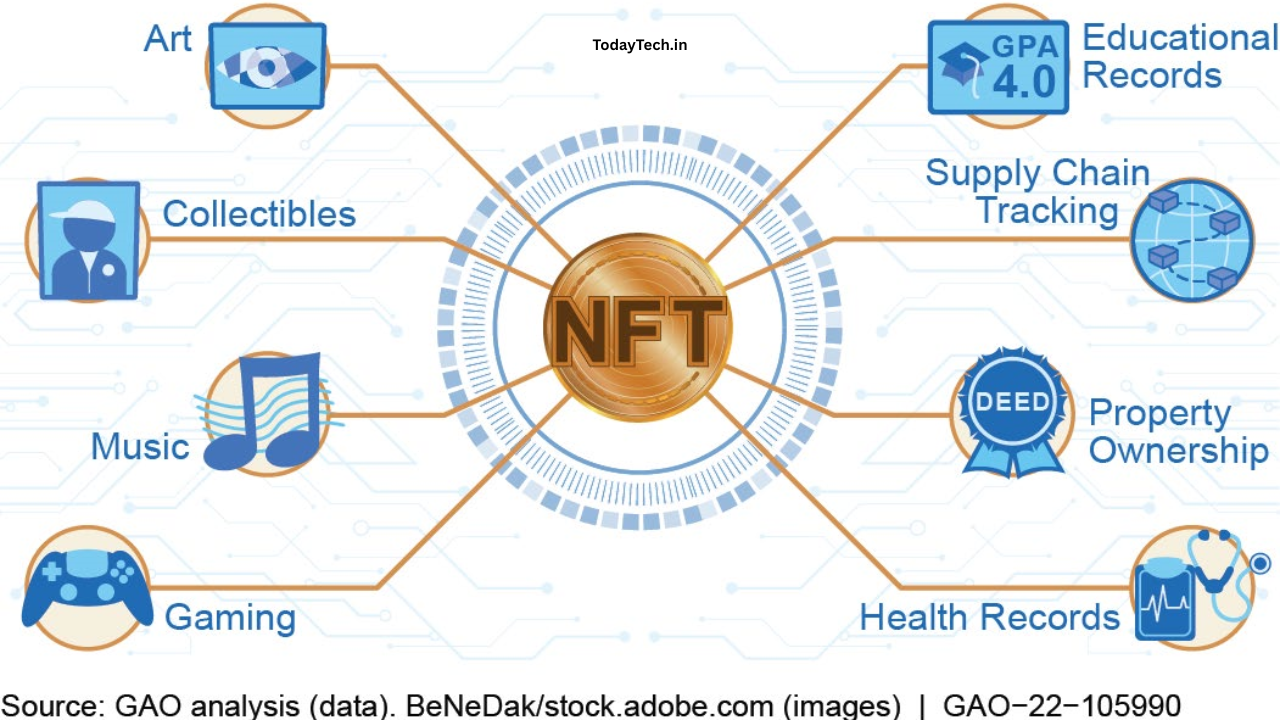
The majority of the market for NFTs was centered around artworks or collectibles but has evolved into much more. As an example the widely popular NFT marketplace OpenSea offers range of NFT classes.
Photographers can mark their work in way that is an object of recognition and offer either an ownership of either total or partial. In this instance OpenSea user named erubes1 owns the “Ocean Intersection” collection of amazing images of the ocean and surfing which includes many owner and sales.
* Digital Sports Collections of work that are based on sports stars and celebrity athletes.
* Trading cards: Tokenized digital trading cards. These are usually collectibles and some are also used in video games.
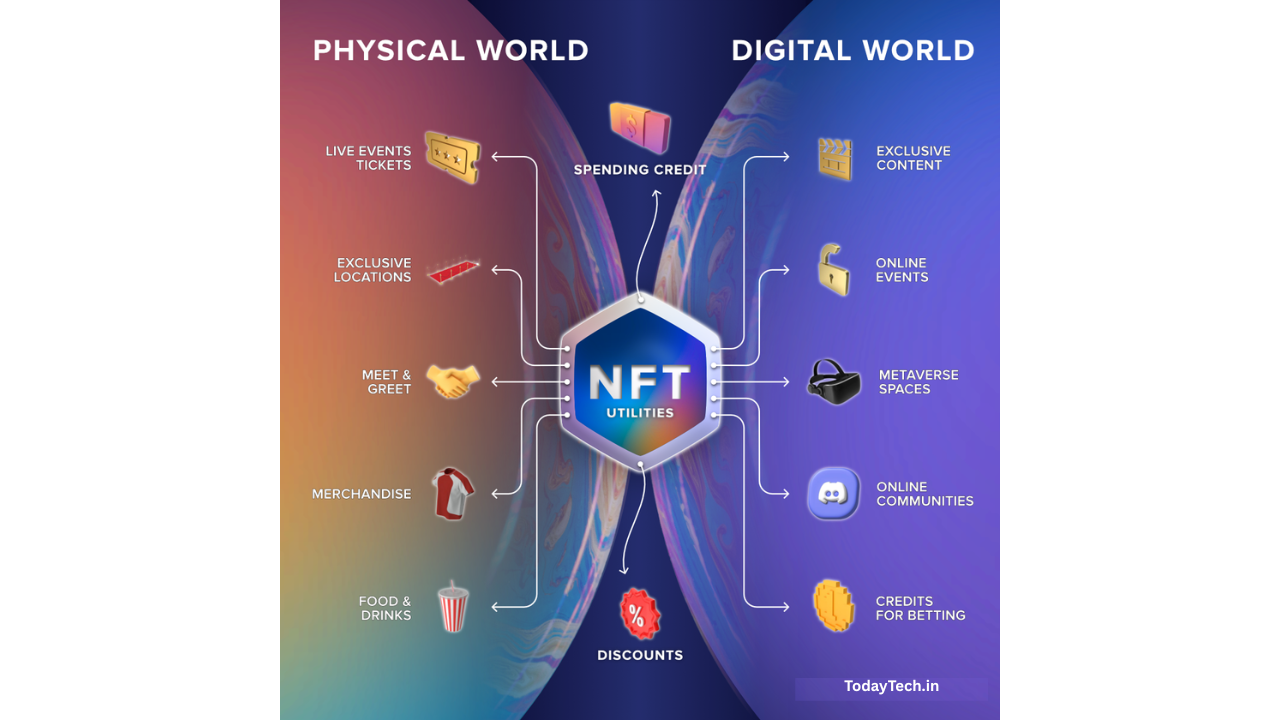
* Utility NFTs are used to indicate the companys membership or to grant benefits.
Virtual Reality NFTs that are virtual offer you the right to own anything from wearable avatars to digital assets.
* The term “art” is used to describe wide range of NFTs which includes everything that is not pixel based but abstract art.
* Collectors Items: Bored Ape Yacht Club Crypto Punks and Pudgy Panda are few examples of NFTs that fit in this grouping.
* Domain names are also NFTs. They signify ownership of domain names you utilize on your website(s)
* Musicians are able to make tokens of the work they create giving buyers the rights the artist wants to grant.
Benefits of NFTs
One of the primary advantages for NFTs is the effectiveness in the market. Physical assets that are tokenized can streamline the sales process and remove intermediaries. NFTs that are either physical or digital artworks on blockchains can be able to eliminate intermediaries and let sellers direct their messages directly to their target buyers (assuming that the creators can store their NFTs safely method).
Investing
Additionally they can be used to make it easier for investing. For instance the consultancy company Ernst & Young developed an NFT solution to one its clients who invest in fine wines.. Through the storage of wines in secure location and using NFTs for securing the origin of wine.
Real estate can be also tokenized.. It could be subdivided into several sections each of which contain distinct details. One example might be along the shores of an lake while another is near the forest. In accordance with the specifics of the land the property could be distinct and have distinct price and also identified with an NFT. Real estate transactions that are complex and complicated could be simplified by the inclusion of relevant information into unique NFT only associated to the specific area that forms located on the property.
NFTs can represent ownership of firms that have similar characteristics as stocks.. Indeed stock ownership could be tracked by examining ledgers which contain information such as shareholders name the date of the issue the certificate number as well as the quantity of shares. Blockchains can be described as an encrypted and distributed ledger. Thus issuing NFTs like shares is exactly the same as the issue of shares. One of the major advantages of combining the blockchain and NFT instead of stocks ledgers is the fact that the smart contracts may facilitate ownership transfers.. If NFT shares are sold and the blockchain is purchased NFT shares are traded and the blockchain is purchased it will handle the remainder transactions.
Security
The non fungible tokens could aid in the security of identities. In this case private data stored in an immutable Blockchain cannot be accessed read or read by anyone who doesnt have keys.
They also provide an opportunity to increase the accessibility of investing by allowing fractionalization of assets that are physical. tokenization process for fractional ownership could be extended to include other asset types. For instance painting does not have to be restricted to single owner.. tokenization allows other buyers to acquire part of the artwork and then give ownership of small portion of the paintings value to its owners.
Concerns About Non Fungible Tokens
There are numerous advantages for creators investors as well as other people who are interested. There are some challenges to consider if you decide to invest into the creation of NFTs.
This is the card that is proof of ownership through the hashing process of metadata and key pair pairs that are created within your account at the banks. Music video images or any other electronic item can be used to distribute and copy without permission and in range of ways. It is easy to copy an image after you click the right button before saving it. Any person who copies picture to make digital token could be charged with pirating the image because it is registered as the rightful owner. However it is the duty of the owner to hunt the source of their image and to bring charges against anyone who may be responsible for this.
Also they have limitations by their capability to be exchanged. They are also restricted in their target market for collectors and buyers since they are more specific in comparison to cryptocurrency. If you have an NFT which you dont want it might be difficult to find buyers when the kind of currency has become obsolete.
How Does NFT Make Money?
The worth of it is in what NFT represents. If it is real property that has been tokenized it is real property the NFT can be used to compensate for the value of the property. This if the property is increasing in value could generate an income stream for the owner. If the NFT was the hat of one of the monkeys the value would be determined by the worth of the token. If the value of its token experienced increased because it was purchased the seller might earn profit.
What Is the Point of Having NFTs?
They arent non fungible but they can be beneficial to the right person. If theyre used as an investment vehicle they could rise in value. If the owner is an individual with passion for collecting it could be something theyd prefer to keep. Many people might only want to keep it as the sake of their collection while another may see it as memento of an occasion they treasure.
What Is the Meaning of NFT?
The term “NFT” refers to Non Fungible Token (NFT) is the opposite of token thats fungible. This is the word that is used to define the possibility of interchangeability with token. For instance suppose you had three notes with identical smiley faces that were drawn on the faces of their owners. When you tokenize one note it will become distinct from all the other notes.. Its not in fungibility. Two notes are able to be compared and thus are able to be utilized in lieu of notes that were previously used.
What Is the Concept Behind NFTs?
The idea behind NFTs is to create tokens for ownership. They can be anything that is from an image up to part ownership of spacecraft which is interstellar. Actually because theyre based on blockchain technology theyre unalterable and safe. It doesnt require the participation from other entities.
Non Fungible Tokens represent advancement of the concept of cryptocurrency. Modern finance systems are comprised of modern trading and lending platforms that offer variety of assets from mortgages for real estate to art. Digitally depict the assets they are representing NFTs could be significant move towards redefining this technology.
It is true that the idea of digital representations could be utilized for representing physical assets isnt unique and neither is the notion of an identity that is unique. If these ideas are paired with the advantages of secure tamper resistant Blockchain and the application of smart contracts as well as automated processes the concepts are powerful tool for transformative change.